Civil rights movements that changed the world: How they continue to inspire people
Advertisements
Civil rights movements have profoundly influenced modern society by combating discrimination, inspiring activism, and promoting laws that protect equality and justice for marginalized communities.
Civil rights movements have played a pivotal role in shaping our world.
From fighting against discrimination to championing equality, these movements inspire change and demand justice. Let’s dive into their profound impact.
Understanding the origins of civil rights movements
The origins of civil rights movements can be traced back to the struggles against injustice and inequality.
These movements emerged in response to systemic oppression and the desire for social justice.
Many individuals, fueled by personal experiences and collective suffering, ignited a flame of change.
Historical context
To understand these movements, we must explore the historical context in which they arose. Different eras and events shaped their development:
- Post-Civil War America and the fight for Reconstruction
- The impact of the Jim Crow laws on African American life
- Influence of World War II on civil rights advocacy
- The role of grassroots organizations
Each of these elements contributed to the growing awareness and activism surrounding civil rights.
The civil rights movements were a response to deep-seated social issues that demanded change.
Key influencers
Many key figures emerged during the early days of civil rights activism. Their leadership and vision helped rally support and drive significant progress.
Leaders such as Martin Luther King Jr. and Rosa Parks took bold stands against injustice, inspiring countless others to join the fight.
Their stories exemplify the courage and determination of those involved in these movements.
The roots of civil rights movements are intertwined with the social fabric of the time.
They reflect a quest for dignity and equality that resonates with many even today.
Understanding their beginnings helps us appreciate the progress made and recognize the ongoing struggle for rights and freedoms.
The journey has been long, but each step forward has brought us closer to a more just society.
Key figures who drove the movements forward
Throughout history, various key figures have played pivotal roles in driving civil rights movements forward.
These individuals became symbols of hope, resilience, and change.
Their dedication to justice and equality inspired countless others to join the fight.
Influential leaders
Many leaders emerged from diverse backgrounds, each contributing uniquely to the movement.
Figures such as Martin Luther King Jr. used powerful speeches to motivate people.
Others, like Malcolm X, emphasized the need for self-defense and black empowerment. Their differing approaches invited broad discussions about civil rights.
- Rosa Parks: Known for her refusal to give up her seat, she sparked the Montgomery Bus Boycott.
- W.E.B. Du Bois: A co-founder of the NAACP, he advocated for political and social rights.
- Ella Baker: A grassroots organizer who valued community involvement and youth leadership.
- César Chávez: Famed for labor rights, he fought for the rights of farmworkers.
The contributions of these leaders illustrate the rich tapestry of voices within the civil rights movements.
Each brought their strength and passion, molding the direction of the fight for justice.
Grassroots activism
In addition to prominent leaders, grassroots activism played a vital role in propelling movements forward.
Local community organizers and everyday citizens contributed immensely to the cause.
They held meetings, organized protests, and spread awareness of civil rights issues. These unsung heroes were crucial in mobilizing support and maintaining momentum.
The synergy between leaders and grassroots activists fostered a collaborative spirit, making the movements more resilient.
By working together, they created a powerful force advocating for equality and justice. Their stories continue to inspire the ongoing fight for civil rights today.
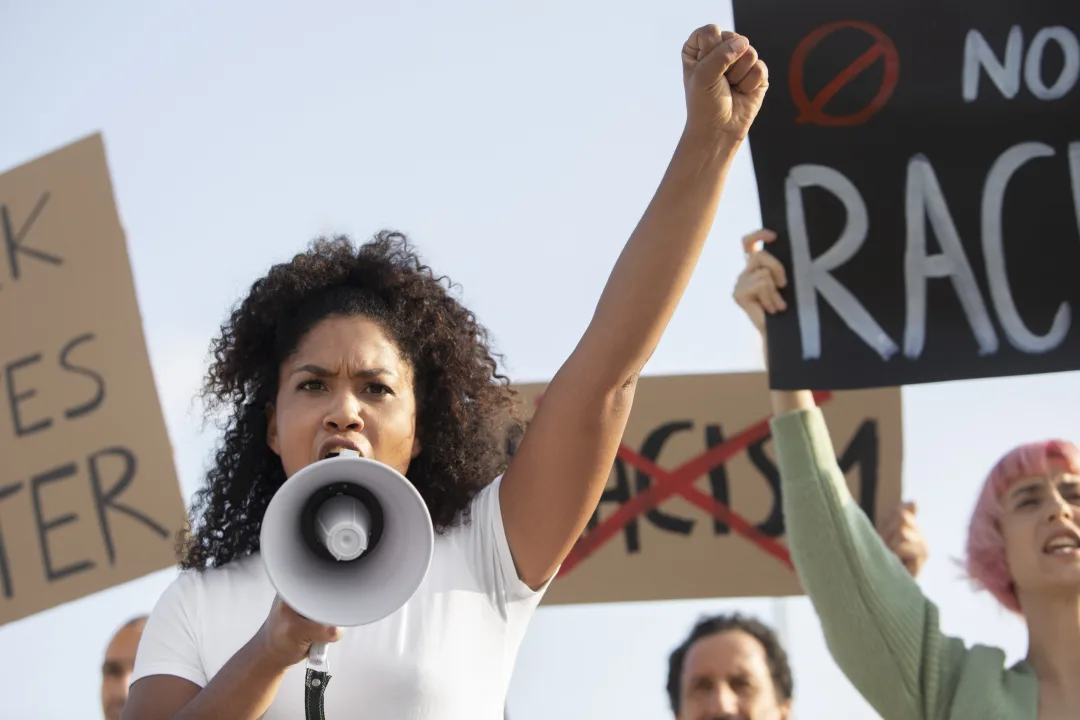
Major events that shaped civil rights history
Several major events have significantly shaped the history of civil rights movements.
These pivotal moments reflect the ongoing struggle for equality and justice. Each event played a vital role in mobilizing public support and raising awareness.
The Montgomery Bus Boycott
The Montgomery Bus Boycott in 1955 was a landmark event. Sparked by Rosa Parks’ refusal to give up her bus seat, this boycott lasted over a year.
It marked a significant turning point as people united to challenge segregation on public transportation.
- Increased national attention on civil rights issues
- Mobilization of black communities across the United States
- Formation of the Southern Christian Leadership Conference (SCLC)
This event showcased the power of peaceful protest and the determination of those fighting for their rights.
The March on Washington
Another defining moment was the March on Washington for Jobs and Freedom in 1963.
This massive rally drew over 250,000 people, where Martin Luther King Jr. delivered his iconic “I Have a Dream” speech. It emphasized the need for economic justice and civil rights.
This event garnered extensive media coverage, drawing support from various sectors.
It highlighted the struggles faced by African Americans and galvanized the movement.
The Civil Rights Act of 1964
The passage of the Civil Rights Act marked a monumental achievement.
Signed into law by President Lyndon B. Johnson, it prohibited discrimination based on race, color, religion, sex, or national origin.
This legislation was a direct result of years of activism and highlighted the importance of legislative change in the fight for rights.
Each of these key events contributed to the broader civil rights movement. They served to advance the cause and maintain momentum in the fight for equality.
The actions of countless individuals brought attention to injustices, ultimately leading to transformative changes in society.
How civil rights movements influence modern society
The impact of civil rights movements on modern society is profound and far-reaching.
These movements laid the groundwork for ongoing struggles for justice and equality. Their legacies continue to inspire activism across various social issues today.
Continued activism
Many contemporary social movements draw inspiration from the civil rights movements.
Issues such as racial equality, gender rights, and LGBTQ+ rights are all influenced by the strategies and successes of past activists.
Today’s activists often utilize similar tactics like peaceful protests, advocacy, and community organizing to fight for their causes.
- Utilization of social media for awareness campaigns
- Collaboration between different social movements
- Emphasis on grassroots participation
These elements highlight the ongoing relevance of earlier movements in shaping current efforts for social change.
Legislative changes
Various laws and policies have evolved due to the efforts of civil rights movements.
Landmark legislation, such as the Civil Rights Act and the Voting Rights Act, not only transformed society in the past but also set a precedent for future laws aimed at protecting individual rights.
These legal frameworks serve as a foundation for advocating against discrimination today.
Modern movements often reference these laws in their fights, using them as tools to push for further protections and equity.
Moreover, educational institutions today teach about the history of civil rights movements.
This education fosters understanding and awareness, allowing younger generations to appreciate the struggles that have shaped their rights.
They learn about important figures and events, creating a continued sense of responsibility to advocate for justice.
Social awareness
The ongoing conversations around social justice are a direct result of civil rights movements.
Issues of inequality, systemic racism, and human rights are now at the forefront of public discourse.
The awareness built by these movements encourages society to reflect on its values and behaviors.
As people recognize the importance of equality and justice, they become more engaged in community initiatives and policy discussions.
This engagement often leads to increased pressure on governments and corporations to address these issues.
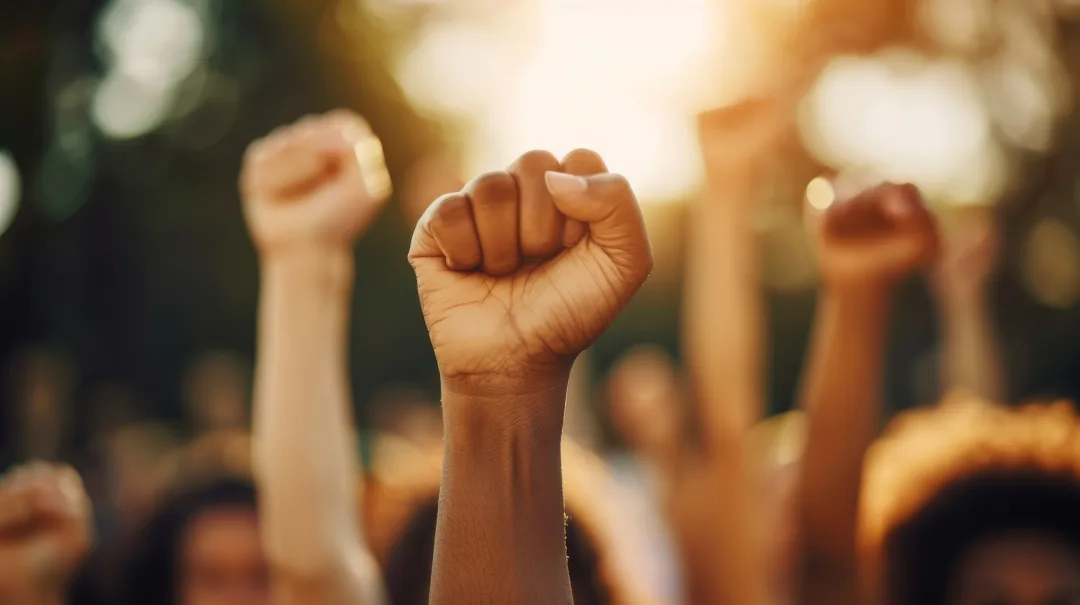
Challenges faced by civil rights advocates today
Today, civil rights advocates continue to face numerous challenges in their pursuit of justice and equality.
The landscape of activism has evolved, but many issues remain deeply rooted in our society.
Ongoing discrimination
Many advocates confront persistent discrimination based on race, gender, and sexual orientation.
Societal biases can manifest in various ways, such as unequal treatment in the workplace or discriminatory policies.
These situations can hinder progress and discourage individuals from standing up for their rights.
- Racial profiling in law enforcement
- Gender pay gaps in different industries
- Limited representation in government and leadership roles
Addressing these forms of discrimination is crucial for ensuring equality among all individuals.
Legal obstacles
Civil rights advocates often encounter legal barriers that complicate their work.
Efforts to change laws can be met with resistance from political entities or lobby groups.
This can lead to lengthy court battles or stalled legislation that protects rights.
Moreover, some laws that were meant to safeguard civil rights face challenges and reinterpretations, weakening their effectiveness.
Advocates must continuously fight to uphold and expand these protections.
Technology and misinformation
In the age of technology, misinformation can spread rapidly, impacting public perception.
Social media platforms can amplify false narratives, making it difficult for advocates to convey accurate information about civil rights issues.
Additionally, activists must navigate the complexities of online organizing while ensuring their safety.
Cyberbullying and threats are real dangers for those vocal in the movement, making it essential to build secure communication channels and support systems.
Despite these challenges, the commitment of civil rights advocates remains strong.
They continuously innovate their approaches to activism, fostering solidarity and resilience through community engagement and education.
As they push forward, their work is vital in creating a more equitable society for all.
| Key Issues 🌟 | Details 📋 |
|---|---|
| Ongoing Discrimination | Enduring prejudices in various forms |
| Legal Challenges | Resistance to changes in legislation |
| Technology Issues | Misinformation complicating advocacy efforts |
| Community Engagement | Grassroots efforts keeping the movement alive |
| Inspiration for Change | Leaders motivating new generations |
FAQ – Frequently Asked Questions about Civil Rights Movements
What are the main goals of civil rights movements?
The main goals include achieving equality, fighting against discrimination, and ensuring social justice for all individuals.
How have civil rights movements changed modern society?
They have raised awareness about social injustices and inspired ongoing activism for various causes, including racial and gender equality.
What challenges do civil rights advocates face today?
Advocates face challenges such as ongoing discrimination, legal obstacles, misinformation, and the need for community engagement.
Why is historical knowledge about civil rights movements important?
Understanding the history helps inform current activism and fosters a sense of responsibility to continue the fight for equality.
Read more content