Congressional Hearings 2025: Key Issues This Election Season
Advertisements
Congressional hearings in 2025 give citizens chances to engage in democracy. They allow attendance, feedback, and advocacy on critical issues.
Social media is another key tool for participation. It amplifies voices and helps shape debates effectively.
These hearings reflect public interests through policy changes. They can impact elections and future legislation directly.
Overview of Congressional hearings 2025
Understanding the Congressional hearings 2025 is essential for all citizens. They highlight key national issues and public concerns.
These hearings foster transparency in government actions. Citizens can observe and learn directly from discussions.
Following them builds trust in democracy. It strengthens the bond between lawmakers and the public.
Key Areas of Focus
Expect hearings on crucial areas like healthcare reforms and funding. These decisions affect millions of Americans.
Climate change initiatives will also be on the agenda. They influence environmental and economic stability.
Economic recovery and equality will receive attention. These shape both communities and national progress.
Public Engagement
Public engagement is encouraged during these hearings. Calls, social media, and direct contacts amplify voices.
This involvement ensures citizens play an active role. Their perspectives guide representatives’ actions effectively.
Participation strengthens democracy at every level. It ensures government reflects real public needs.
Key issues on the agenda
The Congressional hearings 2025 will center on vital issues. Each provides open debate and transparency.
Lawmakers use this platform to address citizens’ concerns. Solutions are discussed to guide national policy.
The aim is always to reflect what matters most. Democracy thrives when voices are heard.
Significant Issues Likely to Be Discussed
Healthcare access remains a top national priority. Lawmakers seek reforms to improve quality care.
Climate change policies will also take center stage. Stronger measures aim to reduce its impact.
Economic inequality and gun safety will be debated. Both directly affect millions of Americans.
Monitoring Progress
Citizens must track how issues evolve across hearings. Testimonies and data guide future laws.
Watching developments builds awareness of key changes. It empowers voters in meaningful ways.
Engagement leads to stronger democratic results. Awareness ensures citizens remain informed actors.
Influence of media on public perception
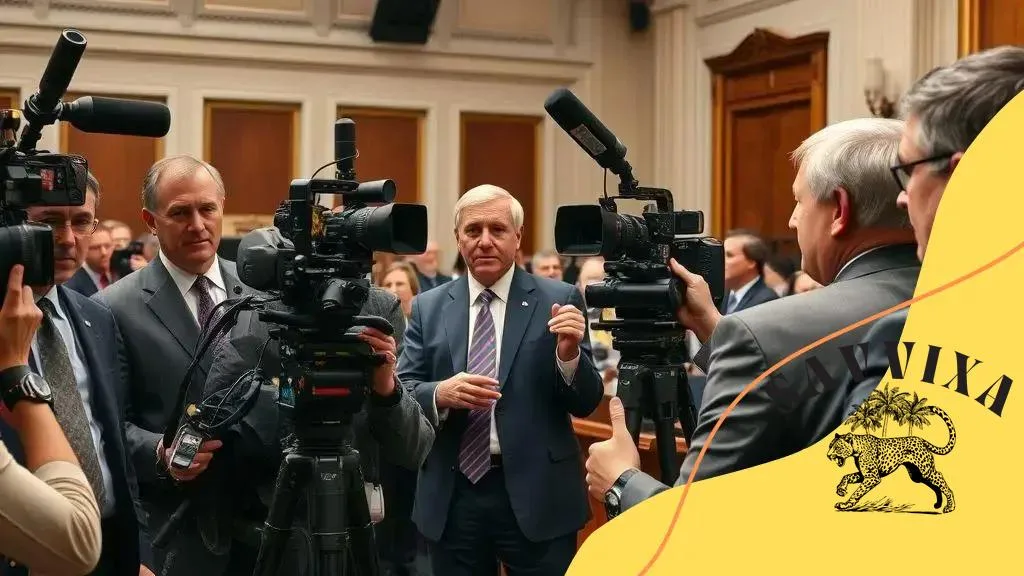
Media coverage deeply shapes perceptions of hearings. It frames debates and highlights priorities.
Television, news sites, and social media spread updates. They reach audiences across the country.
The role of media cannot be understated, as it defines how issues are understood and directly shapes the narratives that guide public perception.
Media’s Role in Shaping Opinions
As hearings unfold, media selects what to highlight. This influences national attention and debate.
Framing and context provided guide public discourse. Citizens rely on these narratives daily.
Coverage sparks conversation across communities. Engagement grows through shared viewpoints.
Evaluating Media Coverage
Evaluating coverage ensures accuracy and fairness. Credibility and context are key indicators.
Fact-checking remains vital to public trust. Citizens must rely on evidence-based reports.
Timely updates also enhance informed choices, keeping voters aware of shifts and empowering them to respond quickly to political changes.
Potential outcomes and implications
The hearings of 2025 may produce immediate laws. They influence funding, reforms, and regulation.
These outcomes reflect citizens’ most urgent needs. Lawmakers must act on public concerns.
Public sentiment also guides the final results. Democracy balances law with opinion.
Immediate Legislative Changes
Hearings can spark new initiatives quickly. They set budgets and update regulations.
Healthcare and climate reforms may emerge directly. Communities benefit from these legal shifts.
Lawmakers base actions on expert testimony. Citizens’ voices also carry great weight.
Long-term Social Impacts
Hearings often influence society beyond immediate laws. They inspire movements and local advocacy.
Healthcare or climate debates may mobilize groups. Citizens rally for stronger protections.
Social action reflects hearing priorities broadly. Communities carry them forward effectively.
Media Influence and Public Perception
Media portrayals shape trust in hearings greatly. Coverage affects whether citizens feel heard.
Positive framing shows government responsiveness. Negative tones may fuel skepticism.
Both perspectives alter long-term attitudes, shifting culture as much as policy and shaping how future generations engage with democracy.
How citizens can engage with hearings
Citizens are central to the hearings’ success. Their participation strengthens democracy directly.
Engagement ensures policies reflect real concerns. It builds a responsive government system.
Every voice counts in this ongoing process. Collective input changes national direction.
Attending Hearings
Attending hearings offers direct involvement opportunities. Citizens see debates firsthand in action.
Being present builds community solidarity quickly. It unites people with shared concerns.
Participation shows lawmakers the weight of issues. Attendance adds democratic pressure effectively.
Providing Feedback
Reaching out to representatives builds strong connections. Calls and emails share local voices.
Social media amplifies these efforts further. It allows fast and broad communication.
Clear, specific messages guide lawmakers directly. Personal stories make concerns relatable.
Utilizing Social Media
Social media expands citizen influence widely. Posts reach leaders and communities instantly.
Hashtags spread topics into national conversations. Online trends shape political attention.
Virtual town halls unite people digitally, creating broad networks of support that strengthen community engagement and collective action.
Advocating for Change 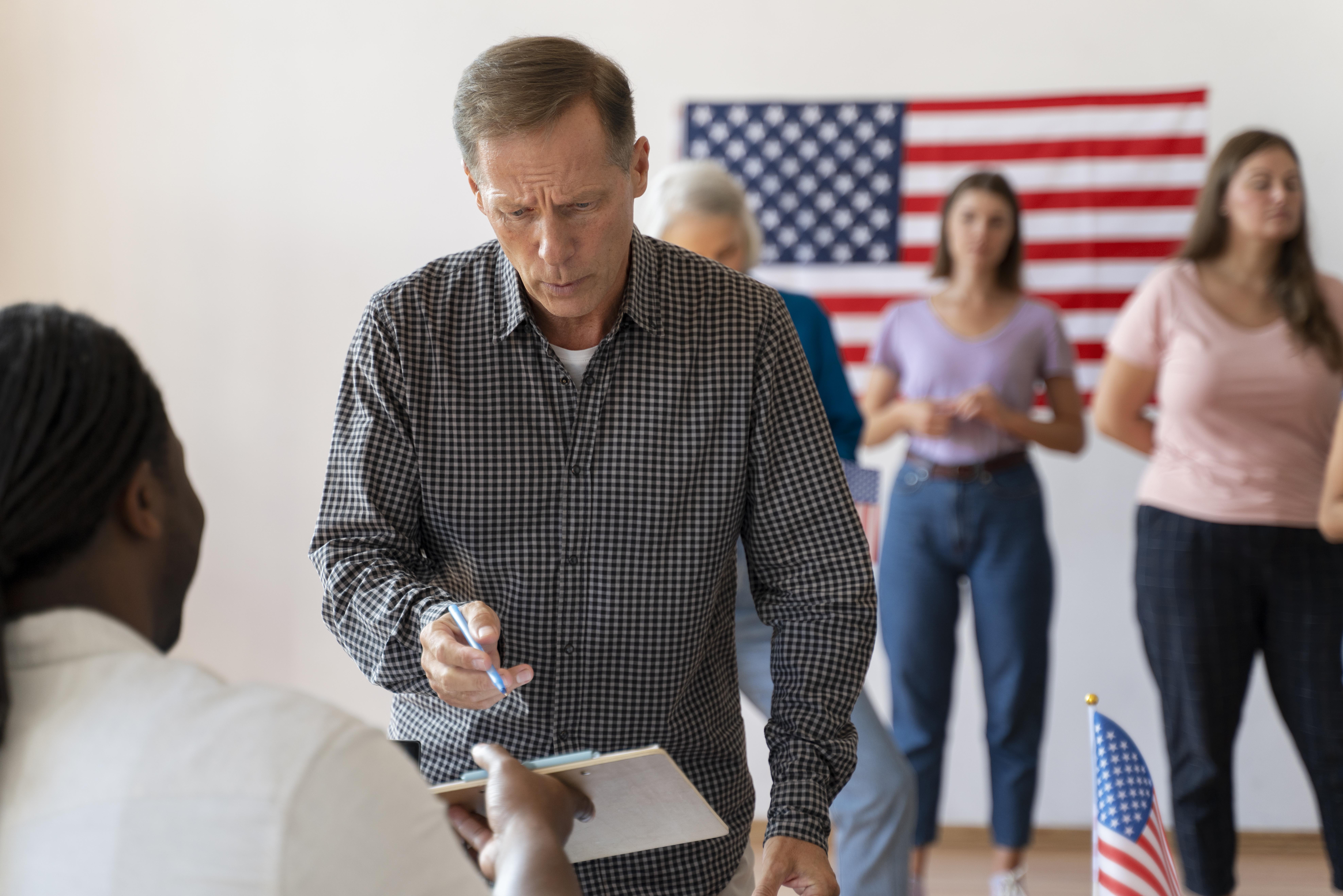
Advocacy groups amplify individual voices effectively. Joining rallies strengthens democratic movements.
Education on issues builds stronger confidence. Informed citizens speak with authority.
Letters, petitions, and meetings drive impact. Advocacy ensures lasting political influence.
Conclusion
The Congressional hearings in 2025 are pivotal moments. They empower citizens to engage actively.
Participation strengthens democracy’s very foundation. It ensures government reflects real voices.
Each voice makes change possible in policy. Engagement leads to a more responsive state.
| Action | Description |
|---|---|
| 🗣️ Attend Hearings | Experience discussions directly and show support. |
| 📞 Provide Feedback | Reach out to representatives to express your opinions. |
| 💬 Use Social Media | Share thoughts and engage with wider audiences. |
| 📚 Educate Yourself | Stay informed about issues discussed in hearings. |
| 🤝 Advocate for Change | Join groups and movements to push for important policies. |
FAQ – Frequently Asked Questions about Congressional Hearings 2025
How can I find out when hearings are scheduled?
You can check the official Congressional website, which provides a calendar of upcoming hearings along with topics and times.
Can I attend a hearing if I’m not a resident of the state?
Yes, Congressional hearings are open to the public, regardless of where you live, allowing anyone to attend and observe.
What should I prepare if I want to speak at a hearing?
If you wish to speak, prepare a brief statement outlining your views, and check if there are specific requirements or a registration process on the hearing agenda.
How can I ensure my voice is heard after the hearings?
Follow up by contacting your representatives with your thoughts on the hearings and participating in public discussions through social media and community events.
Read more content