Presidential approval ratings: what they reveal about democracy
Advertisements

Presidential approval ratings are more than just numbers; they reflect how citizens perceive leadership and decision-making. These figures help us understand shifts in trust, national mood, and the strength of a presidency.
They capture not only support but also the underlying tensions within a democracy.
Have you ever wondered why approval scores swing so drastically after a major speech, a scandal, or an economic change? These fluctuations offer a window into public opinion, revealing how closely tied leadership is to everyday life.
Let’s break down what these ratings really mean for democracy today.
Understanding presidential approval ratings
Fully understanding presidential approval ratings is crucial to measure the pulse of a democracy.
These ratings reflect not just support for a leader’s policies but also how citizens evaluate overall performance in times of stability or crisis.
In the United States, shifts in approval often capture the country’s deep polarization, with numbers changing rapidly depending on social, economic, or international events.
What Are Presidential Approval Ratings?
At their core, Presidential approval ratings are survey-based measures asking citizens whether they approve or disapprove of the president’s performance.
A 60% approval suggests broad support, while figures below 40% typically indicate mounting dissatisfaction.
These numbers are widely reported and heavily scrutinized, making them a political tool as much as a reflection of public sentiment.
Why They Fluctuate So Sharply
Several factors influence Presidential approval ratings, often interacting in complex ways. Economic conditions remain one of the strongest drivers—rising jobs and falling inflation tend to boost confidence, while downturns trigger frustration.
Recent polls show how sensitive these ratings are: Donald Trump’s numbers improved slightly after emphasizing economic resilience, but dropped again following controversy around policy decisions.
National security, foreign policy, and responses to crises like natural disasters or health emergencies also cause immediate changes, either rallying citizens around the president or exposing weaknesses.
Interpreting the Numbers in Context
Interpreting Presidential approval ratings requires careful attention to timing and context.
Polls conducted immediately after a major event, such as a debate or international incident, may capture emotional reactions rather than long-term views.
Low ratings complicate legislative agendas, as lawmakers hesitate to align with unpopular leaders. Conversely, higher ratings can energize bipartisan cooperation and strengthen a president’s chances of reelection.
Recent data underscores this duality: while Trump’s support remains solid among certain demographics, others express sharp disapproval, highlighting how approval ratings reflect not just overall sentiment but also deep societal divides.
Ultimately, understanding Presidential approval ratings goes beyond percentages—it provides insight into how citizens judge leadership in real time, shaping both political opportunities and risks for any administration.
Factors influencing approval ratings
The elements that shape Presidential approval ratings are complex and often interconnected, making them one of the most telling indicators of how a leader is perceived.
While polls capture a snapshot of public opinion, the underlying factors driving these numbers reveal the broader challenges and opportunities faced by any presidency.
The Role of the Economy
The economy remains the single most powerful driver of Presidential approval ratings.
A strong job market, wage growth, and controlled inflation typically generate higher approval, as citizens equate economic stability with effective leadership.
In contrast, rising costs or financial uncertainty quickly erode trust.
Recent data shows this dynamic clearly: while some Americans credit current leadership for economic resilience, others point to persistent inflation as a reason for disapproval, demonstrating how economic perception directly feeds into ratings.
National and Global Events
Crises and major events act as stress tests for leadership. Natural disasters, international conflicts, or health emergencies can either unify the nation behind the president or expose weaknesses in decision-making.
For example, a decisive response to a hurricane or foreign policy challenge can boost Presidential approval ratings, while perceived mismanagement leads to sharp declines.
Public reactions are further amplified by media coverage, where positive framing can create a rally-around-the-flag effect, and negative narratives can accelerate dissatisfaction.
Legislative Achievements and Gridlock
Legislative performance is another critical factor. Presidents who deliver on campaign promises, such as tax reforms, healthcare measures, or infrastructure investments, often enjoy improved Presidential approval ratings.
However, failures in passing key bills or prolonged gridlock in Congress create frustration, especially when the public sees little progress on urgent issues.
Analysts note that partisan divides intensify this effect, as one group may praise bold reforms while another views the same policies as overreach, deepening polarization in the ratings.
Communication and Leadership Style
Beyond policy and events, the way a president communicates also carries weight. Transparency, empathy, and a consistent message during times of uncertainty can strengthen approval.
On the other hand, a detached or combative tone risks alienating undecided voters.
Recent surveys reflect this: while Trump maintains strong approval within his base, his style and messaging contribute to significant disapproval among independents.
Highlighting how communication itself can become a decisive factor in shaping Presidential approval ratings.
Impact of media on approval ratings
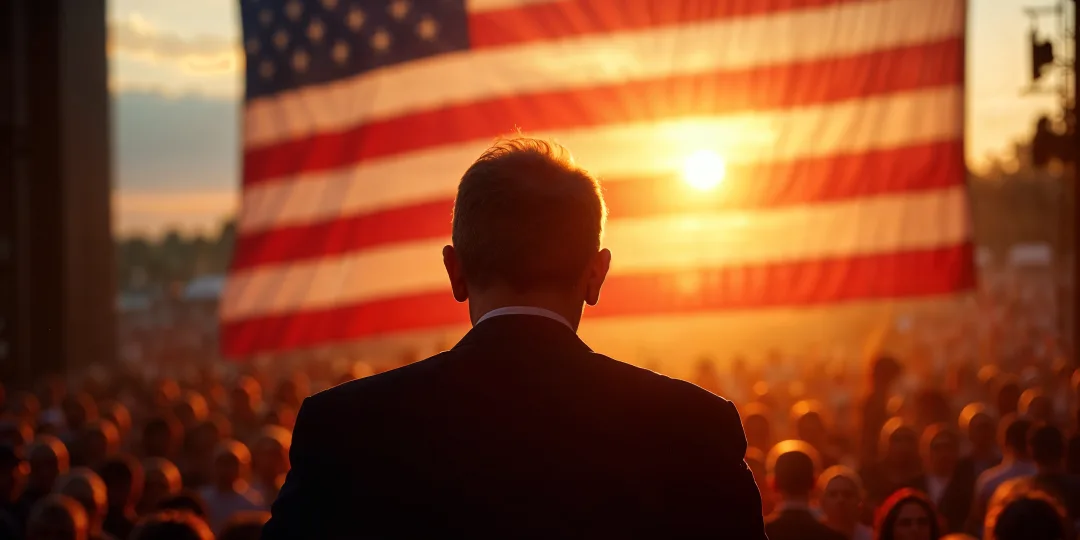
The media plays a decisive role in shaping Presidential approval ratings, often determining whether the public perceives a leader as effective or ineffective.
In today’s fast-paced information environment, coverage can rapidly shift public sentiment, amplifying both successes and failures in real time.
Media Bias and Public Perception
Different outlets frame presidential actions in distinct ways, which directly impacts approval ratings. Supportive coverage can reinforce loyalty among a president’s base, while critical reporting may weaken credibility and trust.
Analysts highlight how Trump’s approval remains sharply divided, in part because media narratives are polarized—some outlets emphasize economic stability, while others spotlight controversies and policy missteps.
This contrast shows how ratings are not only a reflection of leadership but also of media framing.
The Speed of Information in the Digital Era
The rise of social media has accelerated the impact of news on Presidential approval ratings. Viral clips, trending hashtags, or online debates can immediately influence public opinion before full context is established.
A misstep during a live event can lead to an instant decline, while a well-received policy announcement can temporarily boost support.
Recent polls illustrate this volatility: moments of positive coverage have led to short-term gains for Trump, but negative stories circulating online often trigger equally swift drops.
Direct Communication with the Public
Modern presidents increasingly bypass traditional media by addressing citizens directly through platforms like X (formerly Twitter), Truth Social, or televised addresses.
This strategy allows leaders to control their message, but it also exposes them to greater scrutiny.
While direct communication can rally supporters and stabilize Presidential approval ratings, it also risks deepening divisions if the tone is confrontational or if statements spark controversy.
Long-Term Effects of Media Narratives
Beyond immediate reactions, sustained media narratives shape long-term perceptions. Continuous negative coverage can entrench disapproval, making it harder for a president to recover even when policies improve.
Conversely, consistent highlighting of achievements, such as economic growth or diplomatic successes, can gradually build resilience in approval numbers.
The current data underscores this balance: Trump’s ratings remain relatively stable within his base but face ongoing erosion among moderates, reflecting how media narratives reinforce existing divides.
Historical trends in approval ratings
Examining historical trends in approval ratings allows us to understand how public opinion has shifted over time. Presidents’ ratings can reveal a lot about societal values, major events, and changing political landscapes.
By looking back at past presidents, we can see patterns that inform our expectations for current leaders.
Significant Events and Their Impact
Major events, such as wars, economic crises, and other national incidents often create noticeable spikes or drops in approval ratings. For example, President George W.
Bush saw a surge in his ratings following the 9/11 attacks, while President Lyndon B. Johnson’s ratings dropped during the Vietnam War.
Long-Term Trends
Over the decades, we have observed a gradual decline in overall approval ratings for presidents at the end of their terms. Here are some reasons why:
- Increased polarization in politics
- The rise of partisan media sources
- Public demand for immediate results
This decline may reflect higher public expectations for political leaders. Citizens might now view approval ratings as more critical for accountability. As the political climate continues to change, understanding these trends is vital for analyzing leadership effectiveness.
Also, compare contemporary presidents’ ratings with historical counterparts. Doing so can provide insights into how current issues resonate with the public.
For example, recent presidents may face different challenges, such as social media scrutiny, which can affect ratings in ways that earlier presidents did not experience.
Lessons from the Past
Learning from previous administrations is essential. Trends show that both high and low ratings can influence a president’s ability to govern effectively.
Leaders often take note of these patterns, adjusting strategies to maintain or improve public support.
What low approval ratings mean for a president

Low approval ratings can have significant implications for a president’s ability to govern. When public support dips, it can indicate that citizens are unhappy with leadership decisions and policies.
This discontent can create obstacles in various aspects of a president’s agenda.
Legislative Challenges
One major impact of low approval ratings is the difficulty in passing legislation. When a president’s ratings fall, lawmakers may hesitate to support proposed policies.
They fear backlash from constituents who may not want to be associated with an unpopular leader.
Impacts on Public Perception
Public perception can shift drastically with declining approval. Citizens may begin to question a president’s competence or ability to lead.
This skepticism can lead to a more divided electorate and might encourage more vocal opposition to policies.
- Low ratings can signal a need for political change.
- They may boost rival parties or candidates looking to capitalize on the dissatisfaction.
- Opposition groups often gain momentum, using low ratings to rally support.
In extreme cases, ongoing low ratings can threaten a president’s chance for re-election. Voters are less likely to support a leader whom they believe has failed to deliver on key issues.
Additionally, low ratings often result in increased scrutiny from the media, which can exacerbate the situation.
Strategies to Rebound
After experiencing low approval ratings, presidents may shift strategies. Engaging in public relations campaigns, focusing on popular issues, or making significant policy adjustments are common tactics.
For example, a leader may work to address economic concerns or implement popular social programs to regain support.
Navigating through challenging approval ratings requires strong communication skills and a willingness to adapt.
Understanding the public’s concerns and addressing them directly can help improve perception over time.

Conclusion: why approval ratings still matter
Presidential approval ratings continue to serve as a vital barometer of public sentiment, shaping the political climate both domestically and internationally.
They not only determine how effectively a president can govern but also influence the confidence of allies and the perception of adversaries.
When ratings are high, presidents gain momentum to pursue ambitious policies; when they fall, they face resistance, internal divisions, and stronger challenges from opponents.
Recent data illustrates just how dynamic these numbers can be. According to a USA Today analysis, Donald Trump’s approval has experienced sharp swings, reflecting polarized views on his handling of the economy and foreign policy.
Meanwhile, a Courier Journal report highlights that his support varies widely across demographic groups, underlining the fragmented nature of the electorate.
Ultimately, Presidential approval ratings are not just percentages, they represent the nation’s collective voice at a given moment in history. They offer insights into trust, dissatisfaction, and shifting priorities.
For political leaders, these ratings are both a guide and a warning, signaling when policies resonate and when the public demands change.
In a democracy defined by accountability, approval ratings remain one of the clearest indicators of where the people stand.
| 📊 Topic | 📝 Description |
|---|---|
| Impact on Legislation | Low ratings make it harder to pass laws. |
| Public Perception | Citizens may question leadership abilities. |
| Media Scrutiny | Increased media focus can amplify problems. |
| Voter Engagement | Dissatisfaction can boost opposition movements. |
| Strategies for Recovery | Engaging the public is critical for improvement. |
FAQ – Frequently Asked Questions about Presidential Approval Ratings
What do low approval ratings indicate for a president?
Low approval ratings often indicate public dissatisfaction with a president’s performance, making it harder to pass legislation.
How do media reports influence approval ratings?
Media coverage can significantly affect public perception. Negative reports can lead to lower ratings, while positive coverage can boost support.
What historical events have caused shifts in approval ratings?
Major events such as wars, economic crises, and significant social movements often result in noticeable changes in a president’s approval ratings.
What strategies can presidents use to improve low ratings?
Presidents may engage in public relations campaigns, focus on key issues that resonate with the public, and adjust policies to regain support.
Liked the article?
Read more content